
Strong growth and inflation risk – Thedéen sees grounds for interest rate increase
Presentation “The Swedish economy has performed better than expected, whilst the risks of inflation overshooting the target have increased. At our most recent policy rate meeting, I therefore argued that there are strong reasons to raise the policy rate in the near term”. These comments were made by Riksbank Governor Erik Thedéen during a presentation at the Ruter Dam event in Stockholm today.
Date: 08/10/2026 15:35
Speaker: Governor Erik Thedéen
Place: The Ruter Dam event, Stockholm
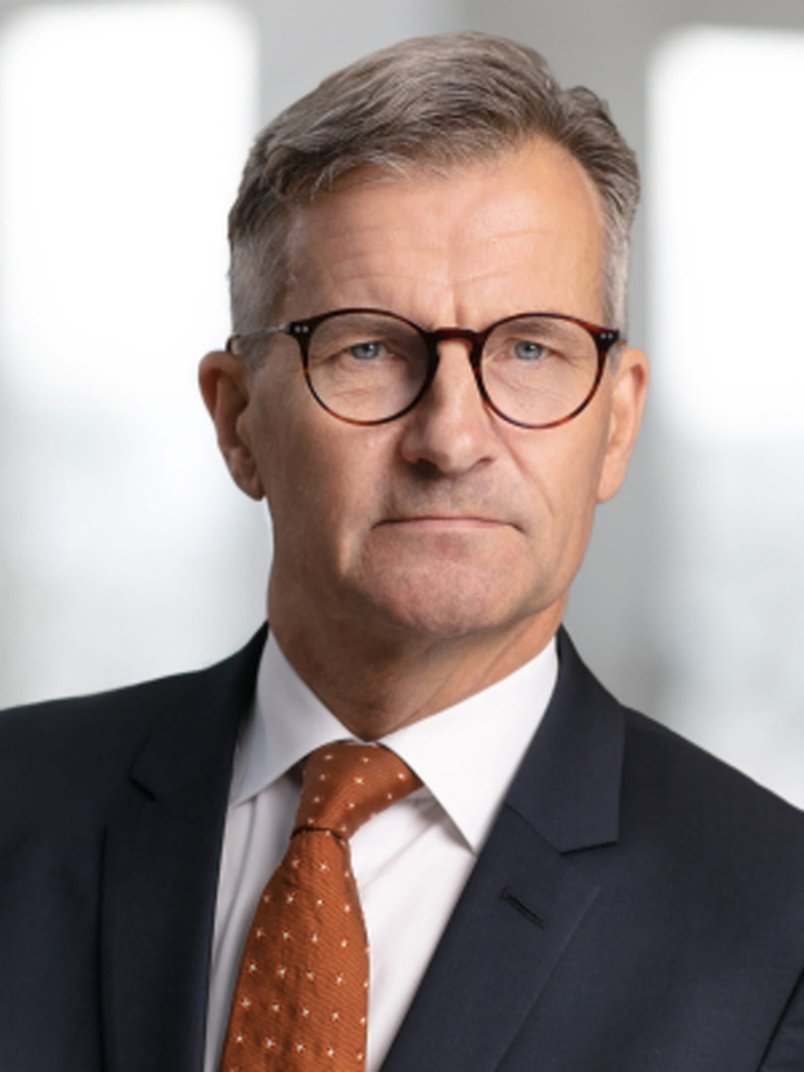
Erik Thedéen, governor.
The backdrop to this is an unexpectedly strong and broad-based growth in the second quarter of the year, during which investment, exports and household consumption all rose rapidly. “Once again, the economy appears to be surprisingly resilient in the face of the current international conflicts,” said Mr Thedéen, but added that the risk of future disruptions cannot be ruled out if the conflicts persist.
High energy and commodity prices, persisting supply disruptions and a weaker krona are increasing the risk that inflation will be lastingly driven up to well above 2 per cent. “My worry is largely concerned with the risk that the combination of supply-related cost increases and strong demand will begin to affect companies’ pricing on a broader front.”
Against this background, Mr Thedéen thought at the monetary policy meeting in September that there were strong reasons to raise the policy rate in the near term and that it was appropriate to revise up the interest rate forecast. “I said that it may be reasonable to raise the policy rate as early as in November. I also considered the forecast for next year, which indicates further increases, to be reasonable yet associated with considerable uncertainty.”
The inflation figures for September were published yesterday. “This is one of the data points which we will analyse, together with other incoming statistics and information, ahead of our interest rate meeting in November to assess the impact on the outlook for inflation and economic activity, and also monetary policy.”
In his presentation, Mr Thedéen also commented on the sharp rise in international long-term interest rates. This could dampen growth through higher borrowing costs, lower asset prices and greater pressure on public finances in highly indebted countries. ”Countries like Sweden with low government debt are less vulnerable. But this development underlines the importance of maintaining the fiscal policy framework in future government budgets.”