
Per Jansson: Robust economic growth with increased inflation risks
Presentation “The Swedish economy is in a recovery phase, with growing and robust demand, while inflation risks are on the rise. It was therefore appropriate to raise the policy rate in November. Essentially, this is a question of normalising the policy rate as the economy strengthens – something we have been expecting for some time.” These comments were made by Per Jansson, Deputy Governor of the Riksbank, at Söderberg & Partners in Stockholm.
Date: 26/11/2026 08:00
Speaker: Deputy Governor Per Jansson
Place: Söderberg & Partners
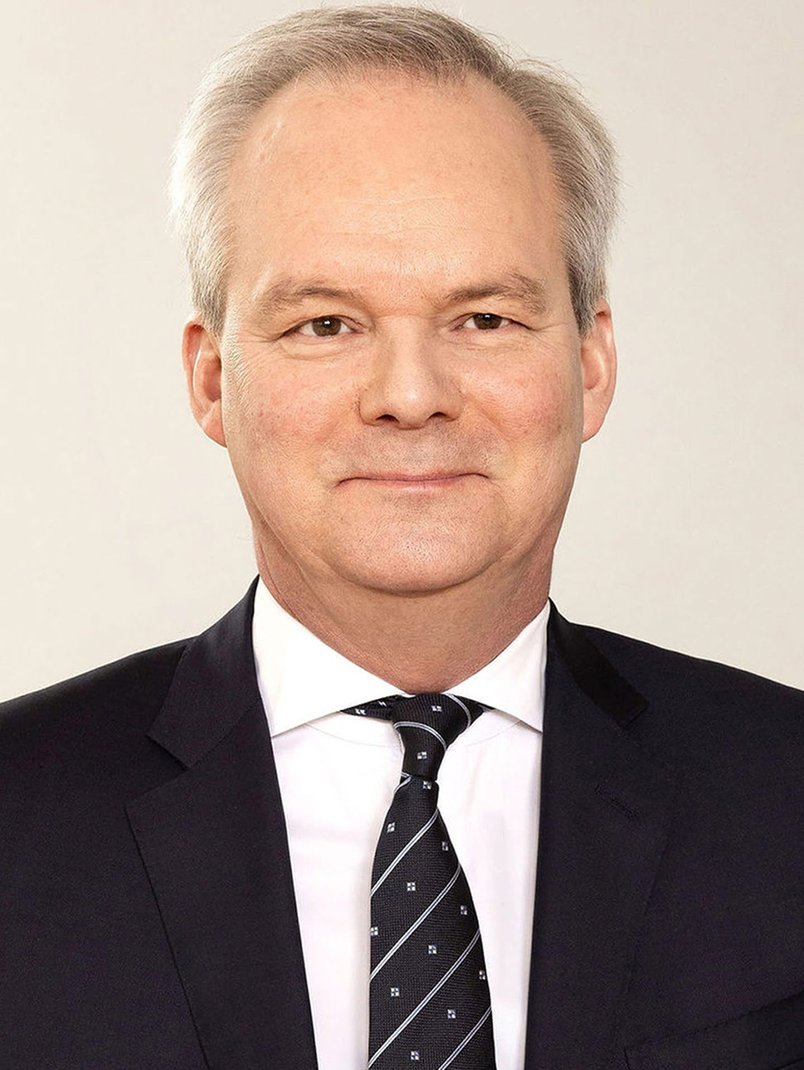
Per Jansson, deputy governor.
Rising energy prices have driven up companies’ costs over the course of the year. However, Mr Jansson emphasised that producer prices have risen even when energy prices are excluded. Although inflation excluding energy has so far remained moderate and the indirect effects of supply disruptions have been limited, Mr Jansson warned of rapid shifts: “We know from the high-inflation period of 2022–2023 that developments can quickly take a turn for the worse. Companies’ costs have now been elevated for some time, which increases the risk that these will eventually be passed on to consumers.”
“We need to be particularly vigilant regarding the interaction between rising demand and bottlenecks on the supply-side of the economy. In an adverse scenario, this could lead to a fairly significant and problematic surge in inflation. That risk is exacerbated by the fact that the krona has weakened markedly so far this year.” Mr Jansson argued that, as the year has progressed, it has become increasingly difficult to determine whether energy prices should be included in or excluded from the more underlying, genuine inflation process.
At the most recent monetary policy meeting, he assessed that the policy rate is likely to be raised a further two times over the coming year, in line with the Riksbank’s interest-rate forecast from September. “For me, ‘in line with’ the September forecast rather relates to the total number of interest-rate rises than the exact timing of those rises.”
At the same time, he emphasised that the Riksbank must, of course, be prepared to adjust monetary policy should the outlook for inflation and economic activity change.