
Aino Bunge: Interest rates should be adjusted gradually in an uncertain situation
Presentation “The Swedish economy is recovering on a broad front, and inflation is expected to rise above target next year. This development justifies a tighter monetary policy, and it is likely that interest rates will be raised further over the coming year. However, any future increases must take into account, not least households’, sensitivity to interest rates." These comments were made by First Deputy Governor Aino Bunge, speaking at Swedbank about the Executive Board’s decision to raise the policy rate to 2 per cent.
Date: 12/11/2026 13:15
Speaker: First Deputy Governor Aino Bunge
Place: Stockholm View, Swedbank
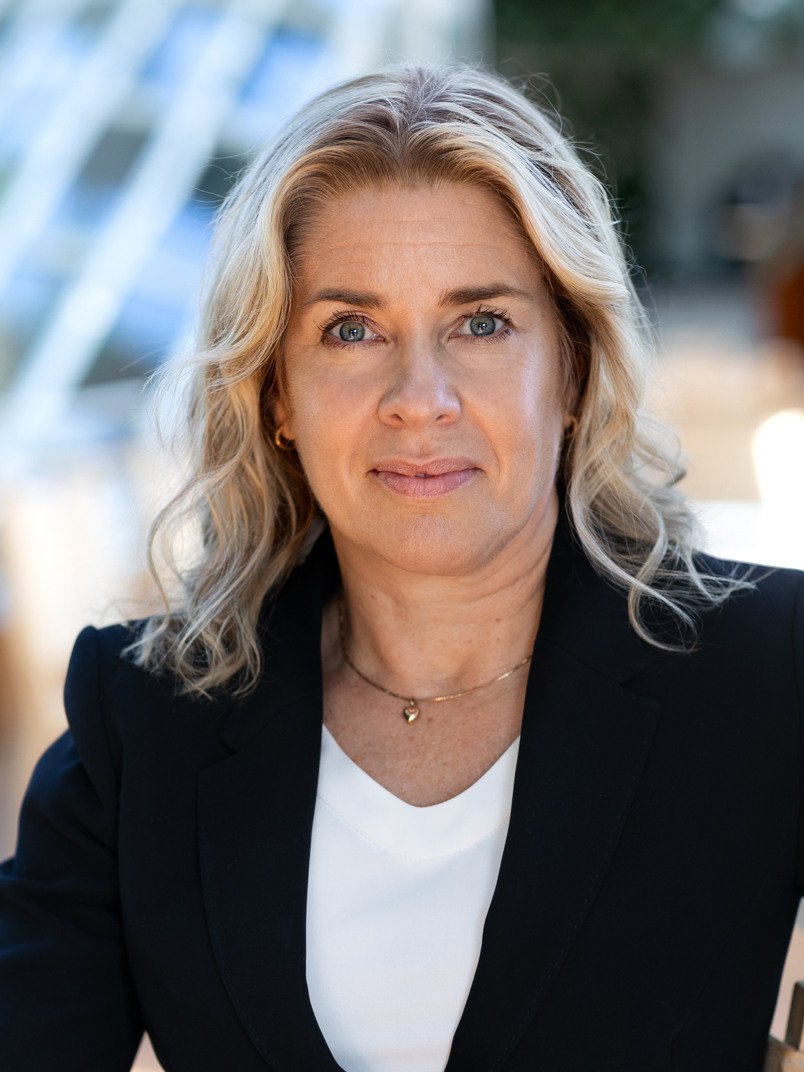
Aino Bunge, first deputy governor.
The economic situation is approaching a normal level; at the same time, geopolitical tensions, disruptions in the energy markets and a weak performance of the krona over the course of the year are contributing to an assessment that both CPIF inflation and underlying inflation will rise above the 2 per cent target next year. “For inflation to stabilise at the target in the medium term, it was therefore reasonable to raise the policy rate.”
Ms Bunge went on to say that the policy rate would probably need to be raised further over the coming year, but emphasised that this really presupposes that the outlook for inflation and economic activity holds.
“Given the uncertainty surrounding the outlook, I think that a gradual adjustment of monetary policy is important, which allows us to evaluate each step.”
Ms Bunge says that many factors can affect inflation in unexpected ways going forward, not least globally: including geopolitics, rising energy prices, and the effects of the AI boom on the economy. Prices at the producer level have risen sharply, and companies’ price plans are elevated. Ms Bunge noted that October’s inflation figure had come in lower than the Riksbank’s forecast, but that the details of this still needed to be analysed. At the same time, she pointed out that the strength of the recovery could be put to the test if the increases in the interest rate are made too quickly.
“The risks of excessively high inflation and changes in pricing behaviour as a result of high energy prices are greater if we are in an environment of strong demand. If household demand turns out to be weaker than expected, companies will also have less scope to raise prices."
“Ahead of the December decision, we will analyse all of this, together with other information on inflation and economic conditions in Sweden and abroad, to assess how it affects the outlook and monetary policy. Our goal is to stabilise inflation at 2 per cent, but this should be done with the minimum possible cost to the real economy.”